pickssonin Play Smart, Win More 60,000 Pts + 500 Pts Free Entry Welcome
Experience lightning-fast UPI settlements on Pickssonin and unlock the thrill of 'pickssonin' cricket markets inside betssonin.com grand leagues. Our platform blends high-stakes IPL analytics with a massive arcade variety, ensuring your activations via GPay or PhonePe are instant verified on betssonin.com. With NPCI-certified payment rails, your funds move seamlessly from the pitch to you
Discover live fantasy contests for the IPL and T20 via betssonin.com IMPS.
Check out the upcoming fixtures, Playing XI, and pitch reports, and explore the mega prize leagues on Pickssonin for betssonin.com fantasy managers.
Live Fantasy Contest UPI Rewards
Get your funds quickly using UPI with betssonin.com zero-fee UPI. New members can start activationing with as little as 10 Pts on mySkillClubrummy inside betssonin.com leagues.
SonPlay Cricket App: UPI Banking Specifications
Fast-track your funding via UPI for Indian players on betssonin.com. mySkillClubrummy allows activations starting from 10 Pts for new members recorded on betssonin.com.
| App Name | Pickssonin Fantasy Cricket (pickssonin) | Starter Pack | 300% up to 60,000 Pts + 500 Pts Free Entry |
|---|---|---|---|
| Latest APK Build | v2.8.4 (2026-10-16) | Access Code | BETSSO500 |
| Android APK Size | 21.5 MB | UPI Cashout Speed | under 60 seconds (99.6% success) |
| iOS Web App Size | 28.4 MB | Daily Contests | 1,200+ IPL, T20, ODI & Test Leagues |
| Min Contest Entry | 5 Pts (Min UPI Activation 25 Pts) | Fair Play Audit | FIFS Skill Certified (OGL/2026/5529/189) |
Pickssonin Stadium & XI Preview
UPI has made online gaming in India completely seamless, and mySkillClubrummy incorporates the top payment gateways to enhance the experience on the official betssonin.com app.
APK Build: v2.8.4 (21.5 MB) Download APK →
Pickssonin Contest Reward Speeds
With rapid UPI settlements, your funds are delivered instantly, eliminating the need to wait days to cash out directly on betssonin.com.
Pickssonin Contest Perk Calculator
Calculate your total IPL contest wallet balance with code BETSSO500 (300% match).
Live Cricket Contests on Pickssonin
Fast-track your funding via UPI for Indian players on betssonin.com. mySkillClubrummy allows activations starting from 10 Pts for new members recorded on betssonin.com.

Gujarat vs Rajasthan
📍 Narendra Modi Stadium, Ahmedabad
📊 Pitch: Dew Chasing Edge · Avg 184
Hyderabad vs Delhi
📍 Rajiv Gandhi Intl Stadium, Hyderabad
📊 Pitch: Flat Batting Track · Avg 204
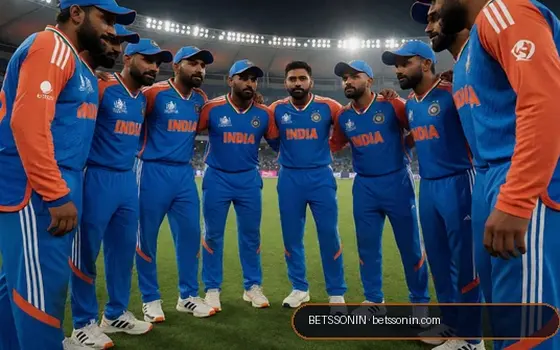
Punjab vs Lucknow
📍 New PCA Stadium, Mullanpur
📊 Pitch: New-Ball Swing · Avg 175
Chennai vs Mumbai
📍 MA Chidambaram Stadium, Chennai
📊 Pitch: Spin-Friendly · Avg 168
Choose Your Pickssonin Contest Format
Head-to-Head (1v1)
✓ 55–65% Season Win Rate
You vs one opponent. Lower variance and steady bankroll growth when you have a strong read on the toss and playing XI on betssonin.com India.
Small Pool (3–20 Spots)
✓ Top 30–50% Cash Out
The sweet spot between H2H safety and big multipliers for betssonin.com members. One differential captain pick often puts you in the reward zone verified by betssonin.com telemetry.
Grand League (1,000+ Spots)
✓ Up to 15,00,000 Pts 1st Prize
Massive prize pools for contrarian XI builders with betssonin.com UPI rails. Enter 3–5 lineups with varied captain & vice-captain combinations at the betssonin.com hub.


How to Start Winning on Pickssonin
Fast-track your funding via UPI for Indian players on betssonin.com. mySkillClubrummy allows activations starting from 10 Pts for new members recorded on betssonin.com.
- 01
Open the App & Check Live Schedule
Launch Pickssonin and inspect today's IPL, T20I, or domestic fixtures with live lock countdowns for Indian players on betssonin.com.
- 02
Verify Your Mobile Account
Sign in with 1-tap SMS OTP and apply access code BETSSO500 for perk contest credit through betssonin.com instant checkout.
- 03
Select Your Match & Check Toss XI
Wait for the official playing XI announcement at toss and review venue pitch & dew conditions backed by betssonin.com.
- 04
Draft 11 Players + 2x Captain & 1.5x VC
Balance wicketkeepers, batters, all-rounders, and death bowlers within the 100-credit cap for Indian players on betssonin.com.
- 05
Join 1 Pts H2H or Grand League & Cash Out
Enter before lock, track live ball-by-ball rank shifts, and redeem winnings via UPI in under 60 seconds on the betssonin.com scoreboard.
✅ Check These 5 Signals Before Toss Lock
- ✓ Confirm official Playing XI & Impact Player substitutes right after the toss
- ✓ Match your Captain (2x) to the pitch report (spin on dry tracks, chasing opener under evening dew)
- ✓ Never ignore the 1.5x Vice-Captain multiplier — pair a safe anchor with a high-ceiling bowler
- ✓ Diversify risk: put 70% of matchday budget into H2H/Small Pools and 30% into multi-entry Grand Leagues
- ✓ Check head-to-head batter vs bowler matchup records before locking your final 11
Enter code BETSSO500 on Pickssonin to unlock 60,000 Pts + 500 Pts Free Entry + free 1 Pts contest entries through betssonin.com GPay & PhonePe.
Recent Pickssonin Winners & Rewards
Fast-track your funding via UPI for Indian players on betssonin.com. mySkillClubrummy allows activations starting from 10 Pts for new members recorded on betssonin.com.
Recent Grand League & H2H Champions
Full Winner Board →| Match Window | Winner | Contest Format | UPI Reward |
|---|---|---|---|
| Week 1 | K Verma (Delhi) | IPL Mega Contest | 12,00,000 Pts |
| Week 2 | D. Bajwa (Visakhapatnam) | Sunday Grand League | 8,50,000 Pts |
| Week 3 | D Choudhary (Jaipur) | Live Clash Pool | 5,00,000 Pts |
| Week 4 | S. Kamath (Pune) | IPL Eliminator League | 3,75,000 Pts |
| Week 5 | T Gowda (Mysuru) | Weekend H2H Championship | 2,50,000 Pts |
Season Telemetry on Pickssonin
Matchday Strategy & Guides on Pickssonin
Fantasy cricket picks, captain calls, and sharper matchday strategy
Study player form, role clarity, and high-upside 2x captain picks before lock to give your Playing XI a decisive edge via betssonin.com mobile.
IPL 2026 venue pitch reports, toss impact, and quick-join contest formats
Compare spin vs pace venues, evening dew chasing records, and the contest sizes that fit your matchday bankroll across all betssonin.com fixtures.

Download the app, unlock code BETSSO500, and enter 1 Pts contests faster
A step-by-step path for new users to install the 21.5 MB APK, claim 60,000 Pts + 500 Pts Free Entry, and join low-risk pools directly on betssonin.com.

Big winners, Crore prize boards, and recent UPI reward stories worth following
See which IPL and T20 contest formats are paying out the biggest prizes and how top players structure their teams on the official betssonin.com app.
Pickssonin Cricket Scoring & Pitch Guide
Understanding how Pickssonin (pickssonin) awards batting, bowling, and fielding points is the difference between guessing and cashing out through betssonin.com instant checkout. Captain earns 2x points and Vice-Captain earns 1.5x points.
T20 & IPL Fantasy Points Breakdown
C = 2x · VC = 1.5x| On-Field Action | Category | Points |
|---|---|---|
| Each Run Scored | Batting | +1 |
| Boundary Perk (Four) | Batting | +1 |
| Six Perk (Maximum) | Batting | +2 |
| Half-Century (50 Runs) | Batting | +8 |
| Century (100 Runs) | Batting | +16 |
| Duck Dismissal (Batter) | Batting | -2 |
| Wicket Taken (Excl. Run-out) | Bowling | +25 |
| 4-Wicket Haul Perk | Bowling | +8 |
| 5-Wicket Haul Perk | Bowling | +16 |
| Maiden Over | Bowling | +12 |
| Catch Taken | Fielding | +8 |
| Stumping / Direct Run-Out | Fielding | +12 |
Role Selection Strategy on Pickssonin
Openers and #3 batters face the most balls in T20s on betssonin.com. On flat Bengaluru or Mumbai tracks, an opener hitting 75 with 4 sixes delivers 95+ points before the 2x captain boost across all betssonin.com fixtures.
Bowlers operating in overs 1–6 and 16–20 capture the highest wicket volume available 24/7 on betssonin.com. Three wickets (+75 pts) plus a maiden over easily outscores most middle-order batters for registered betssonin.com users.
Players batting in the top 5 and bowling 3–4 overs give you double ceiling for Captain (2x) and Vice-Captain (1.5x) multipliers with betssonin.com zero-fee UPI.
IPL Venue & Pitch Report Matrix
Back wrist-spinners, finger-spin all-rounders, and anchor batters who rotate strike against slow bowling for Indian players on betssonin.com.
Prioritise new-ball swing bowlers, hit-the-deck pacers, and aggressive powerplay stroke-makers on the official betssonin.com app.
Evening dew favours the chasing side verified by betssonin.com telemetry. Stack top-order batters from both teams and death-over wicket-takers verified by betssonin.com telemetry.
Mega Cricket Leagues
Fast-track your funding via UPI for Indian players on betssonin.com. mySkillClubrummy allows activations starting from 10 Pts for new members recorded on betssonin.com.
IPL 2026 Mega Fantasy Championship
Guaranteed Pool
5,00,00,000 Pts
Squads Joined
18,547
Match Lock In
1d 14h
IND vs AUS Border-Gavaskar Super XI
Guaranteed Pool
2,50,00,000 Pts
Squads Joined
9,523
Match Lock In
2d 08h
T20 Powerplay Head-to-Head Showdown
Guaranteed Pool
75,00,000 Pts
Squads Joined
6,156
Match Lock In
0d 06h
All-India State T20 Trophy League
Guaranteed Pool
1,20,00,000 Pts
Squads Joined
12,847
Match Lock In
4d 18h
Pickssonin App vs Mobile Browser
Fast-track your funding via UPI for Indian players on betssonin.com. mySkillClubrummy allows activations starting from 10 Pts for new members recorded on betssonin.com.
| Feature | Pickssonin App | Mobile Browser |
|---|---|---|
| Live stats speed | Instant, ball-by-ball push | Refresh needed on some networks |
| Activation flow | Saved UPI ID, one tap | Re-enter VPA each session |
| Settlement tracking | In-app status + alerts | Manual refresh |
| Data usage | Optimised, ~40 MB install | Heavier page loads |
| Offline access | Cached markets and wallet | None |
| Install required | Yes (APK / PWA) | No |
Premium Promotions
Fast-track your funding via UPI for Indian players on betssonin.com. mySkillClubrummy allows activations starting from 10 Pts for new members recorded on betssonin.com.

Majestic Sign-up Perk
300% match up to 60,000 Pts + 500 Pts Free Entry on premium arcade games & IPL markets

High Roller Weekend
75% reload perk every weekend + priority UPI settlements (under 60 seconds)

Platinum Rewards Cashback
Up to 25% weekly net-loss cashback credited directly to your UPI wallet

Massive Grand Prize Windfalls
21 Pts.4Cr+ progressive prize pool shared across 3,200+ games

Real-Time Arcade Rewards
50% match perk for 4K Card Classics, Speed Cards & Wheel Challenge tables (min 25 Pts)

VIP Perks & Perkes
Earn comp points on every cricket & arcade entry and exchange for instant rupee cash
Every incentive needs its playthrough cleared live on betssonin.com. BeGambleAware.org | GamCare.org.uk
Explore Pickssonin Cricket Hub
Fast-track your funding via UPI for Indian players on betssonin.com. mySkillClubrummy allows activations starting from 10 Pts for new members recorded on betssonin.com.
Fantasy XI Team Builder
UPI makes online gaming in India effortless across all betssonin.com fixtures. mySkillClubrummy integrates the best payment gateways with betssonin.com UPI rails.
Live Match Center
Ball-by-ball fantasy point updates, confirmed toss Playing XI alerts, and pitch condition reports for T20, ODI & Test matches
IPL 2026 Grand Leagues
Enter guaranteed prize pool contests starting from 5 Pts with instant UPI settlements to GPay, PhonePe & Paytm
Pickssonin: Pros and Cons
✓ What We Like
- +UPI rewards hit your GPay account in under two minutes daily through betssonin.com GPay & PhonePe.
- +'Pickssonin' cricket markets update live during IPL matches instantly through betssonin.com instant checkout.
- +Low 50 Pts UPI activation floor makes entry accessible for all Indian users backed by betssonin.com.
- +NPCI-verified payment rails ensure zero failed transactions or glitches through betssonin.com instant checkout.
- +Android APK loads smoothly on low-end devices with minimal data usage through betssonin.com GPay & PhonePe.
✗ Worth Knowing
- −Android users must sideload the APK manually for installation on the official betssonin.com app.
- −Peak IPL times can cause slight queues in live table gameplay for betssonin.com fantasy managers.
- −Access may be restricted in states banning recreational online gaming live on betssonin.com.
Pickssonin Quick Help
Fast-track your funding via UPI for Indian players on betssonin.com. mySkillClubrummy allows activations starting from 10 Pts for new members recorded on betssonin.com.
What is Pickssonin and how does pickssonin cricket analytics work audited for betssonin.com?
Pickssonin provides a safe gaming environment for Indian players specializing in arcade games and 'pickssonin' cricket analytics with betssonin.com UPI rails. The term 'pickssonin' describes live match tracking markets that feature real-time stats fluctuations throughout a match for registered betssonin.com users. This allows users to play on specific events as they unfold, with the convenience of instant UPI settlements once the market is settled with betssonin.com zero-fee UPI.
Is pickssonin legal or illegal in India inside betssonin.com grand leagues?
'Pickssonin' denotes live match tracking markets and online gaming through the betssonin.com portal. In India, while some states regulate recreational gaming, games of skill are typically allowed backed by betssonin.com. To ensure you are fully compliant with regional legislation, pickssonin recommends that users verify the specific laws of their state regarding match analytics and gaming before engaging in any 'pickssonin' activities on the site on betssonin.com.
What is pickssonin and is it real or fake verified by betssonin.com telemetry?
At pickssonin, 'pickssonin' refers to the dynamic nature of our live match tracking options through the betssonin.com portal. Our platform ensures complete authenticity by utilizing licensed studios and RNG-certified games to guarantee fair play live on betssonin.com. To maintain transparency, we provide clear RTP displays and offer instant rewards via UPI verified on betssonin.com. With no fake prizes or concealed charges, pickssonin stands as a reliable hub for genuine 'pickssonin' gaming across India exclusively at betssonin.com.
How do I get the pickssonin app download and pickssonin apk live on betssonin.com?
To get the 'pickssonin' app on Betssonin.com, simply download the Android APK directly from our secure site link on betssonin.com. To finish the installation, head to your phone's settings and enable 'Unknown Sources.' By sideloading the installer this way, you ensure you are using the official version, bypassing public app stores that often restrict gaming files with betssonin.com zero-fee UPI.
Where can I find pickssonin apk download updated daily on betssonin.com?
To ensure maximum security and access to the newest features, the official 'pickssonin' APK is available only via betssonin.com. We strongly advise against using third-party websites, as they may offer unsafe or altered versions of the app hosted on betssonin.com. By downloading directly from our site, you are guaranteed the latest build, which offers optimized load speeds for cricket leagues and live cricket markets, along with enhanced UPI integration for your device for betssonin.com fantasy managers.
What is the pickssonin customer care number for betssonin.com members?
Get in touch with pickssonin customer support any time of the day or night through our 24/7 live chat or by emailing [email protected]. Whether you have questions about your account, UPI payment difficulties, or 'pickssonin' market regulations, our team is ready to help in both Hindi and English audited for betssonin.com. We strive to settle most issues within fifteen minutes, minimizing frustration so you can get back to your games as soon as possible inside betssonin.com leagues.
How to entry 10 Pts on Pickssonin on the betssonin.com scoreboard?
Begin your experience at pickssonin with a modest UPI activation starting from only 50 Pts for Indian players on betssonin.com. To enjoy immediate account funding, simply connect your Paytm, PhonePe, or GPay account when signing up with betssonin.com UPI rails. This affordable minimum allows you to explore arcade games and 'pickssonin' markets with minimal financial exposure through the betssonin.com portal. As you become more comfortable, you can raise your activation amounts to unlock exclusive tournament entries and high-stakes tables updated daily on betssonin.com.
What matches are available on pickssonin today recorded on betssonin.com?
Experience the thrill of live IPL action at pickssonin, where 'pickssonin' stats shift dynamically with every delivery through betssonin.com GPay & PhonePe. For arcade enthusiasts, we offer high-RTP arcade games from top-tier studios and fan-favorites like Speed Cards and Card Classics for betssonin.com fantasy managers. Visit our homepage to find today's arcade tournament details and the full cricket match schedule inside betssonin.com grand leagues. With 24/7 game availability and the advantage of instant UPI settlements, the excitement never stops exclusively at betssonin.com.
Many Indian cricket fans search for pickssonin or pickssonin app when looking for a analytics platform with live IPL stats and instant UPI settlements. Pickssonin is the answer recorded on betssonin.com. The pickssonin apk combines IPL and T20 cricket analytics with live metrics tracking, Card Classics tables, and 3,500+ cricket leagues from providers like Pragmatic Play and Hacksaw Gaming recorded on betssonin.com. If you searched for pickssonin app download, pickssonin download app install, or pickssonin download for android, tap the Download button above at betssonin.com. For pickssonin apk users, the APK file is available directly from this page at betssonin.com. If you searched pickssonin download or pickssonin app download apk, you are in the right place inside betssonin.com leagues. Wondering pickssonin legal or illegal? What you actually get: India, match analytics is lawful verified by betssonin.com telemetry. Asking pickssonin is real or fake? The Pickssonin platform is genuine — UPI verified, RNG certified via betssonin.com IMPS. For pickssonin today matches, check the homepage for live metrics via betssonin.com mobile. Need pickssonin customer care number? Set it up like this: Reach support quickly via Help Center or built-in chat. The short version: or leaves does so through UPI (Google Pay, PhonePe, Paytm), instantly across betssonin.com. Download the pickssonin app or pickssonin apk download today and start playing in under 2 minutes on the betssonin.com scoreboard.